
MOULD-AFFECTED GROUT RESTORATION
Restore Grout That Cleaning Can No Longer Fix
Recurring mould is often more than a surface cleaning problem. When grout becomes cracked, porous or deeply stained, moisture and contamination can remain trapped within the joints. Repeated cleaning may improve the surface temporarily, but it does not repair deteriorated grout. Our mould-affected grout restoration service removes damaged grout and failed silicone where required and restores the shower with cleaner, more durable joints.
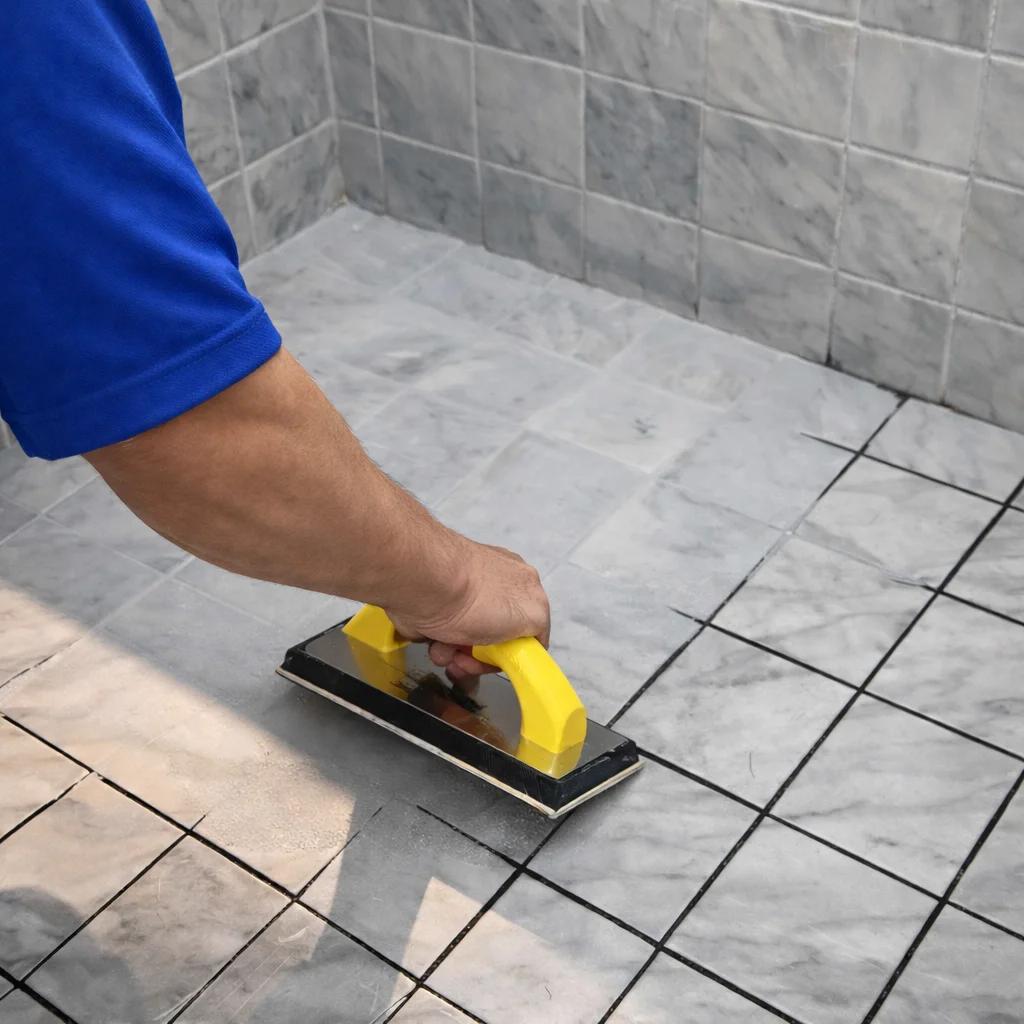
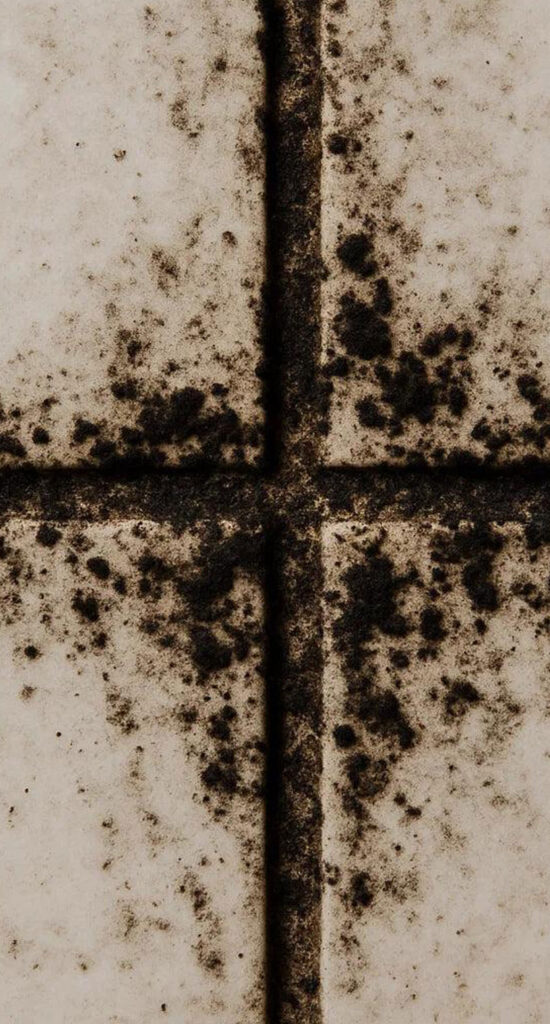
Signs the Grout Needs Restoration
- Black or dark grout lines
- Mould returning soon after cleaning
- Cracked or powdery grout
- Persistent staining
- Damaged silicone around corners
- Strong discolouration near wet areas
- Missing grout between tiles
- Unpleasant odours from damp joints
Cleaning or Grout Replacement?
Restoration may be needed when:- Mould is deeply embedded
- Grout is cracked or loose
- Stains return repeatedly
- Water is entering damaged joints
- Silicone has deteriorated
- The grout surface has become porous
Our Restoration Process
1. Assess the Affected Areas
We inspect the grout, silicone, and surrounding surfaces.
2. Remove Deteriorated Material
Damaged grout and failed sealant are removed from the required areas.
3. Prepare the Joints
The tile joints are cleaned and prepared for new grout or silicone.
4. Restore the Finish
Fresh grout and sealant are applied to create cleaner and more consistent joints.
5. Provide Maintenance Guidance
We explain curing, ventilation, and cleaning practices to help preserve the result.
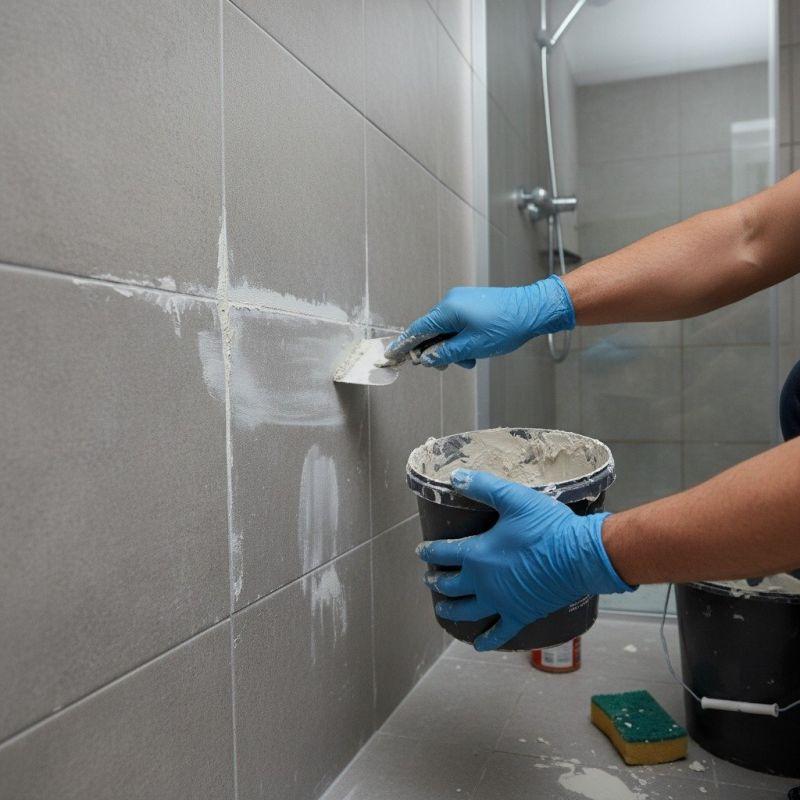
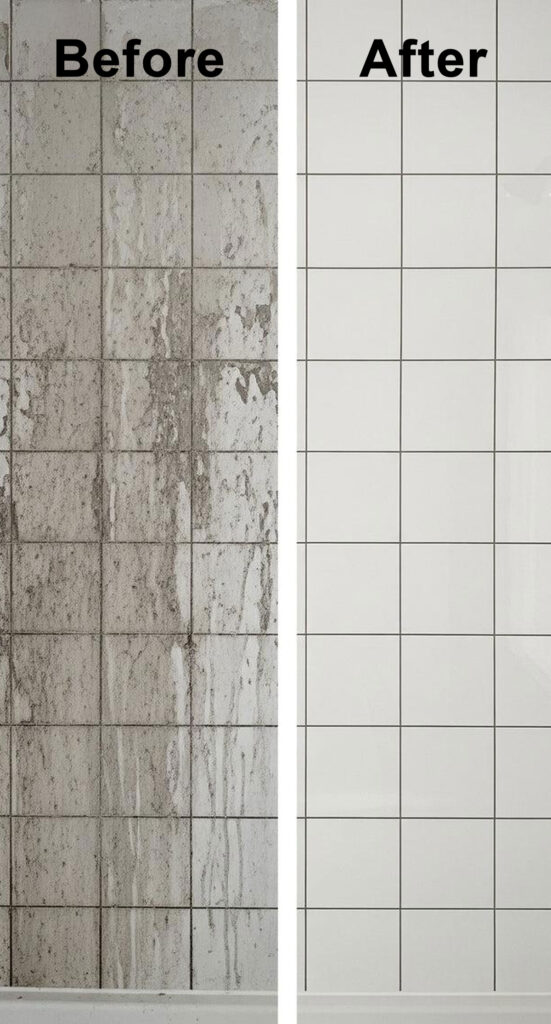
Benefits of Mould-Affected Grout Restoration
- Removes heavily stained and damaged grout
- Improves the appearance of the shower
- Reduces rough areas where contamination collects
- Restores cleaner tile joints
- Replaces deteriorated wet-area materials
- Makes routine cleaning easier
- Helps protect vulnerable joints from water penetration
- Avoids unnecessary tile replacement
Preventing Mould From Returning
To help preserve restored grout:- Use adequate ventilation
- Run the exhaust fan during and after showering
- Remove excess water from surfaces
- Clean the shower regularly
- Avoid leaving the bathroom continuously damp
- Repair new cracks or failed joints early
- Follow the recommended curing instructions
Frequently Asked Questions
We remove affected deteriorated grout and silicone where required. Future mould growth depends on ventilation, cleaning, moisture levels and bathroom use.
No. Discolouration may also be caused by staining, mineral deposits or ageing. We assess the condition
before recommending work.
Usually not when the tiles remain secure and the problem is limited to grout and silicone.
This depends on the extent and condition of the surrounding grout. We recommend the most practical scope
after assessment.
Replace Damaged Grout, Not the Entire Shower
Give mould-affected tiled areas a cleaner, fresher and easier-to-maintain finish.